
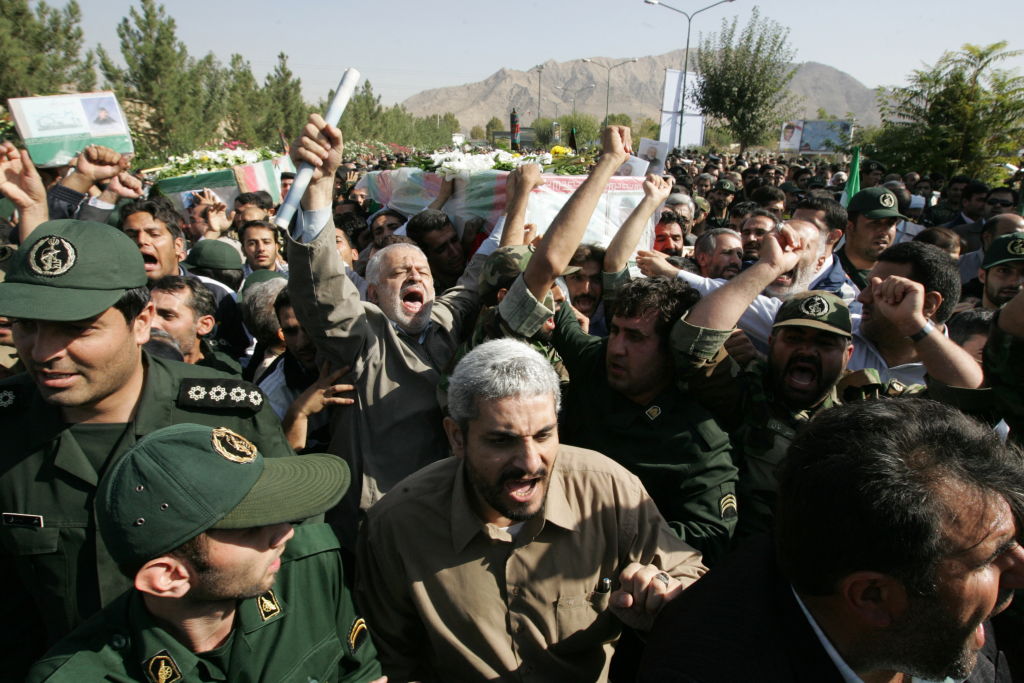
As Iran’s rulers intensify their brutal suppression of nationwide unrest, new accounts from inside the country describe a particularly cynical tactic: forcing families of slain protesters to publicly claim their loved ones were regime-aligned Basij militia members, not civilians killed by security forces. The alleged goal is simple—rewrite the death toll into propaganda, then use that manufactured story to justify the bloodshed.
The Times of Israel reports testimonies relayed through Iranian anti-regime activists abroad, saying security operatives have pressured relatives to sign paperwork, accept posthumous “membership” claims, and even appear on state media with false narratives. Some families reportedly face coercion around burial conditions, intimidation in hospitals and morgues, and demands tied to the release of bodies—turning grief into leverage. These specific accounts are difficult to independently verify amid Iran’s communications crackdown, but they align with broader patterns cited by international monitors and rights groups.

One of the most disturbing elements is the alleged “after-action” cruelty: the state’s effort to police memory. By labeling victims as “security forces” or “martyrs,” Tehran seeks to smear protesters as killers, blur responsibility for live-fire killings, and protect commanders from accountability. Iran International, a dissident-linked outlet, has separately reported families being pressured through “bullet fees” and other conditions tied to retrieving bodies—claims it says it has cross-checked through multiple streams of evidence, though verification inside Iran remains constrained.
International bodies are increasingly treating the crackdown as an urgent human-rights crisis, not a domestic “security operation.” In Geneva, the UN Human Rights Council adopted a resolution extending the Fact-Finding Mission and the Special Rapporteur mandates, explicitly calling for an urgent investigation into alleged violations tied to the protests and condemning the violent repression reported to have killed thousands, including children. Amnesty International has also documented patterns consistent with mass arbitrary arrests, enforced disappearances, and intimidation of medical staff—especially around treatment of wounded protesters, a critical point given the regime’s fear of injuries becoming evidence.
Iran’s official figures remain far lower than independent tallies, and Tehran continues to brand many dead as “terrorists,” a familiar script used to launder state violence. The Associated Press cites estimates from the Human Rights Activists News Agency putting the death toll in the thousands and describing widespread arrests—while noting independent verification is obstructed by Iran’s blackout tactics. Reuters reporting from the region has also described civilian bystanders being killed, underscoring how indiscriminate the violence appears in many accounts.
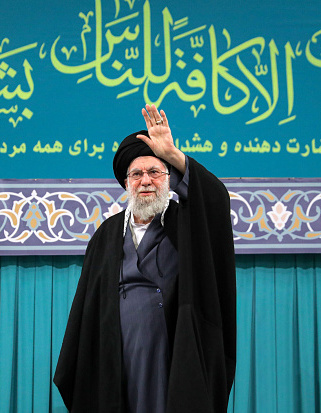
This is the same Iranian regime that pours money, weapons, and training into Iran-backed terror proxies—Hamas, Hezbollah, Palestinian Islamic Jihad, and others—while preaching “resistance” abroad and crushing dissent at home. The people of Iran are not Israel’s enemy; the regime that exports terrorism and murders its own citizens is. And the emerging allegations here point to something even darker than mass killing: a state apparatus trying to confiscate the truth after the bullets stop.
One line from a message cited in the reporting captures the fear inside the country: “Going out into the street equals suicide.” If Tehran is indeed forcing families to posthumously “enlist” their dead into the Basij on paper and on television, it’s not only covering up crimes—it’s attempting to convert victims into evidence for the prosecution of the protest movement itself.
Stay informed with the latest Jewish news, real-time Jewish breaking news, and in-depth Israel news coverage from our newsroom. For continuing updates, expert perspectives, and trusted reporting, visit our main news hub here.
Israel and the Middle East –
Jewish Politics –
Jewish Culture and Lifestyle –
Videos –
Jewish World
Source link