Israel is confronting a surge of invisible wounds among the men and women who have carried the burden of a multi-front war since Hamas’s October 7 massacre. New reporting and updated health-system data point to a sharp rise in post-traumatic stress, depression, and suicide risk inside the ranks—an aftershock of prolonged combat, repeated reserve call-ups, and the brutal imagery many soldiers can’t unsee.
According to Israel’s Defense Ministry data cited in recent coverage, PTSD cases among soldiers have climbed nearly 40% since the months before the war, and officials project a steep further increase in the coming years. Among roughly 22,300 troops and personnel being treated for war-related wounds, the ministry says a majority are dealing with post-trauma. In parallel, separate Defense Ministry rehabilitation figures published recently described tens of thousands entering the system since October 7, with mental health issues comprising a large share of the caseload—an indicator of how quickly psychological injury is becoming the defining cost of this war.
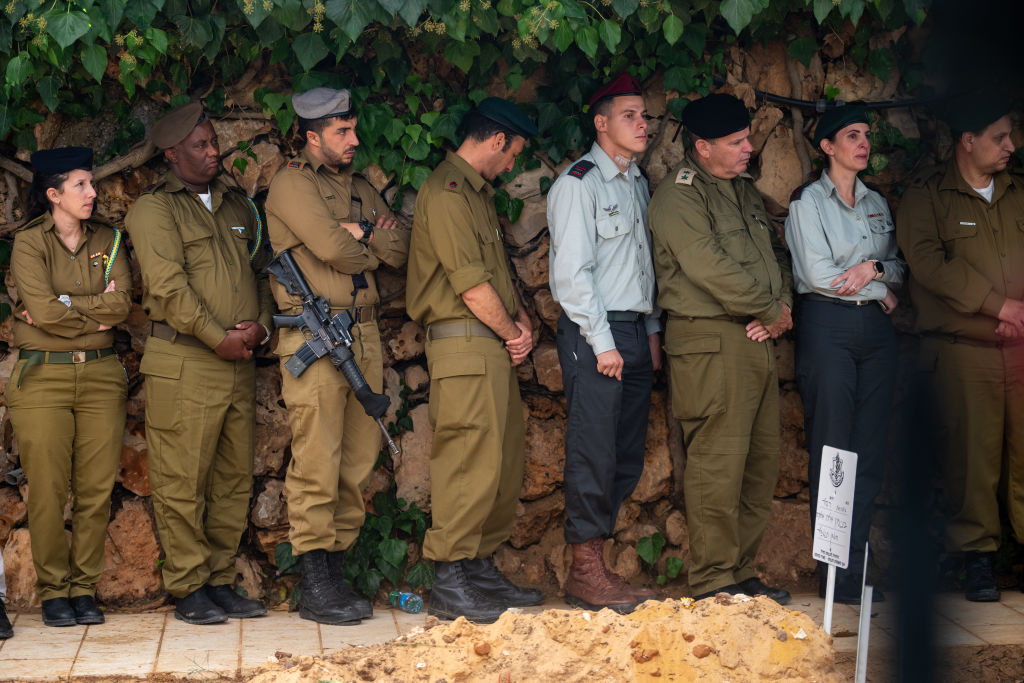
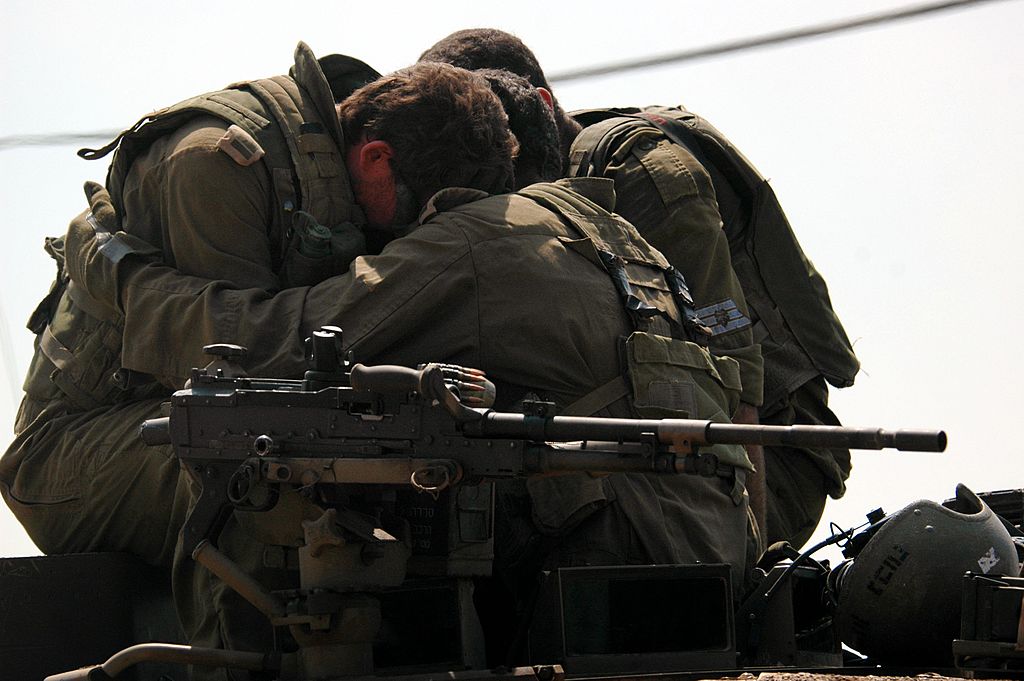
The stress isn’t limited to one moment of shock. It’s cumulative. Soldiers who fought in Gaza and on the northern front describe a constant state of alert that follows them home—sirens in the distance, a slammed door, a motorcycle backfire. One reservist told Reuters, “I live that way every day,” describing how the sound of bullets still lingers after returning to civilian life. For many, the trauma is anchored not only in fear for their lives, but also in the moral weight of war: split-second decisions under fire, the responsibility of force, and the reality that tragic mistakes can happen even when operations are aimed at terrorist targets.
The most alarming data point may be what follows untreated trauma. Israeli reporting in recent months has pointed to a rise in suicide attempts among soldiers, with hundreds of attempts cited in an 18-month period across different briefings and reports referenced by major outlets. Other coverage has described how the scale of demand is forcing the system to triage—treating the most acute cases while many more hover below the threshold for immediate intervention, even as they struggle with sleep, panic symptoms, or functional collapse.

Israel’s challenge is not only clinical; it is bureaucratic and cultural. Soldiers seeking formal recognition and long-term support often face an evaluation pipeline that can move slowly, and the waiting itself can deter people from starting the process. Beyond the military, Israel’s broader mental health infrastructure has been strained by a national trauma that spans bereaved families, hostage families, evacuated communities, and survivors of October 7—creating a crowded battlefield for appointments, therapists, and inpatient capacity.
In response, the state and civil society are trying to widen the net. The Defense Ministry has reported expanding care and increasing the use of alternative or complementary treatments alongside traditional therapy. Health providers have flagged the volume of service members seeking support, while nonprofits have stepped in with programs built around community, physical activity, and routine—surf therapy groups, farms, and animal-assisted rehabilitation that help some veterans re-learn calm in a body trained for danger.

What makes this moment different is that the operational reality has not fully eased. Even as combat intensity fluctuates, Israel remains in a prolonged security fight against Hamas and other Iran-backed terror proxies, and soldiers know the next call-up can arrive fast. That uncertainty—paired with memories of October 7 and the grind of extended deployments—means the “post” in post-traumatic is increasingly blurry.
This is why the next phase matters: not just more therapists, but faster pathways to care, smarter screening before re-deployment, and a national commitment to rehab that treats psychological injury as a wound of war, not a private weakness. Israel has been forced to fight a ruthless enemy. Now it faces a quieter obligation at home—making sure the people who defended the country don’t fight alone after they hang up the uniform.
Stay informed with the latest Jewish news, real-time Jewish breaking news, and in-depth Israel news coverage from our newsroom. For continuing updates, expert perspectives, and trusted reporting, visit our main news hub here.
Israel and the Middle East –
Jewish Politics –
Jewish Culture and Lifestyle –
Videos –
Jewish World
Source link