
South Korea is weighing the deployment of military assets to the Strait of Hormuz as Washington pushes its allies to help secure one of the world’s most important energy corridors.
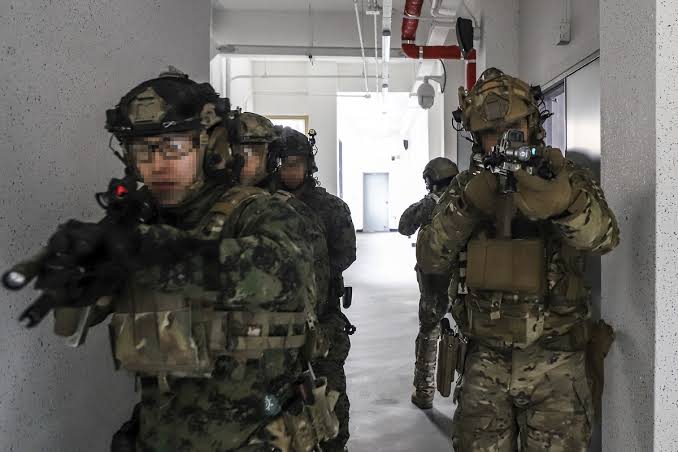
The options reportedly include P-8A Poseidon maritime patrol aircraft, the Navy’s Soyang logistics support ship and naval explosive-ordnance specialists trained to detect and clear mines. South Korean media reported that concrete preparations are underway, including discussions over regional ports and airfields that could support the mission. Some reports said a deployment could take place before the end of the year.

Seoul’s presidential office, however, denied that a final decision had been made. It confirmed that military measures are among the options being reviewed as South Korea considers how to support freedom of navigation, while accounting for domestic law, parliamentary approval and the need to maintain readiness against North Korea.
The package under discussion appears designed as a limited, noncombat contribution. P-8 aircraft could monitor hostile ships and submarines, while South Korean explosive-ordnance teams could cooperate with allied forces to locate and neutralize maritime threats. The Soyang would provide fuel, supplies and logistical support. Operating the aircraft and support vessel alone could require roughly 150 personnel, according to Korean reporting.

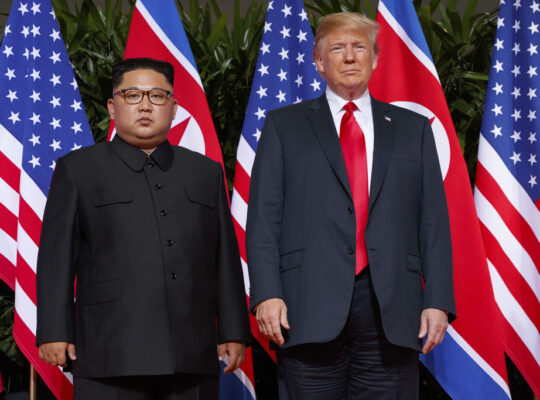
The deliberations follow months of pressure from the Trump administration, which has demanded greater allied participation in protecting shipping from Iranian threats. President Donald Trump has publicly criticized Seoul for declining to assist U.S. operations against Iran, turning Hormuz into a wider test of the South Korea-U.S. alliance.
Seoul also has powerful interests of its own. South Korea received approximately 61% of its crude oil and 54% of its naphtha imports through the Strait of Hormuz last year. Its concerns intensified after the HMM-operated Namu was struck near the waterway; South Korean investigators found evidence pointing to Iranian-made anti-ship missile components, although they stopped short of conclusively assigning responsibility.
Any deployment would still require approval from South Korea’s National Assembly. But the increasingly detailed preparations suggest Seoul is moving closer to operational involvement, seeking to support the United States and protect vital energy shipments without directly entering combat against Iran.
Stay informed with the latest Jewish news, real-time Jewish breaking news, and in-depth Israel news coverage from our newsroom. For continuing updates, expert perspectives, and trusted reporting, visit our main news hub here.
Israel and the Middle East –
Jewish Politics –
Jewish Culture and Lifestyle –
Videos –
Jewish World
Source link