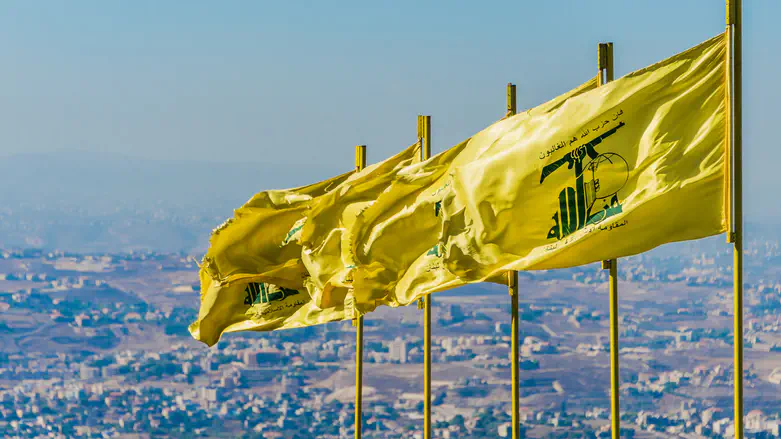
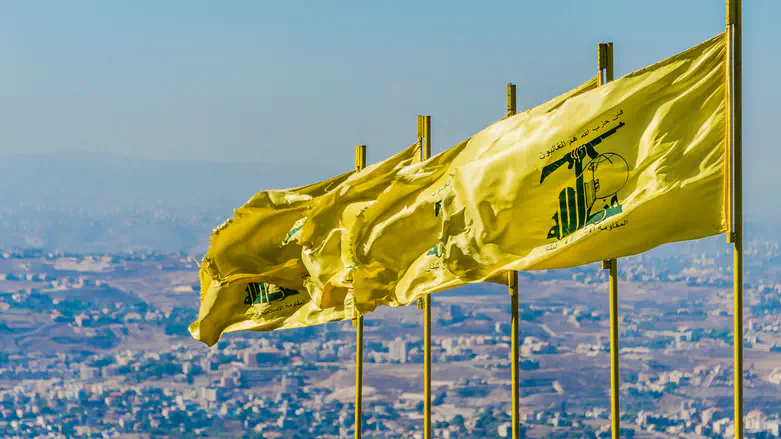
The United States said Saturday that Hezbollah must surrender its weapons, accusing the Iran-backed terror group of refusing negotiations because it is acting on orders from Tehran.
In a post on social media, the US Embassy in Beirut said, “Hezbollah so far does not want to talk to the Lebanese state, nor talk to us, nor talk to Israel, because it is simply taking orders from Iran.”
The embassy identified the Lebanese government as the “sole legitimate interlocutor” for negotiations concerning Lebanon’s future and said it represents the interests of the Lebanese people.
“The United States stands with the Lebanese people and wants Lebanon to be a safe and sovereign country. For that to happen, Hezbollah must disarm,” the embassy stated.
“It’s time for Hezbollah to do what’s best for Lebanon and the Lebanese people,” the embassy said.
The US statement comes amid a dispute over a framework agreement reached by Israel and Lebanon in June under American mediation. The deal provides for a gradual Israeli withdrawal from Lebanon in exchange for the complete disarmament of Hezbollah. It also calls for the Lebanese Armed Forces to deploy in designated “pilot zones” once Israeli troops withdraw.
Hezbollah was not a party to the agreement and has continued to reject direct negotiations with Israel as well as demands that it surrender its arsenal.
On Friday, Hezbollah leader Naim Qassem reiterated the group’s opposition to the framework.
“We reject the framework agreement with Israel and call for its cancellation. We do not agree to the pilot zones or their outcomes. The framework agreement is illegitimate, illegal, humiliating, and undermines Lebanese sovereignty,” Qassem said in televised remarks.
“The Lebanese authorities have chosen a path that dishonors them, Lebanon, and the sacrifices of the Lebanese people. Say no for once. Try to show that you have what it takes to achieve something in the future,” he added.
Qassem also claimed Hezbollah had prevented Israel from expanding its territorial ambitions.
“We have thwarted the so-called ‘Greater Israel’ project and prevented it from reaching Beirut and undermining Lebanon’s power and capabilities.”
“Today,” he continued, “the enemy does not dare to build settlements in southern Lebanon because, due to the presence of the resistance, the situation there is unstable for them.”
Source link