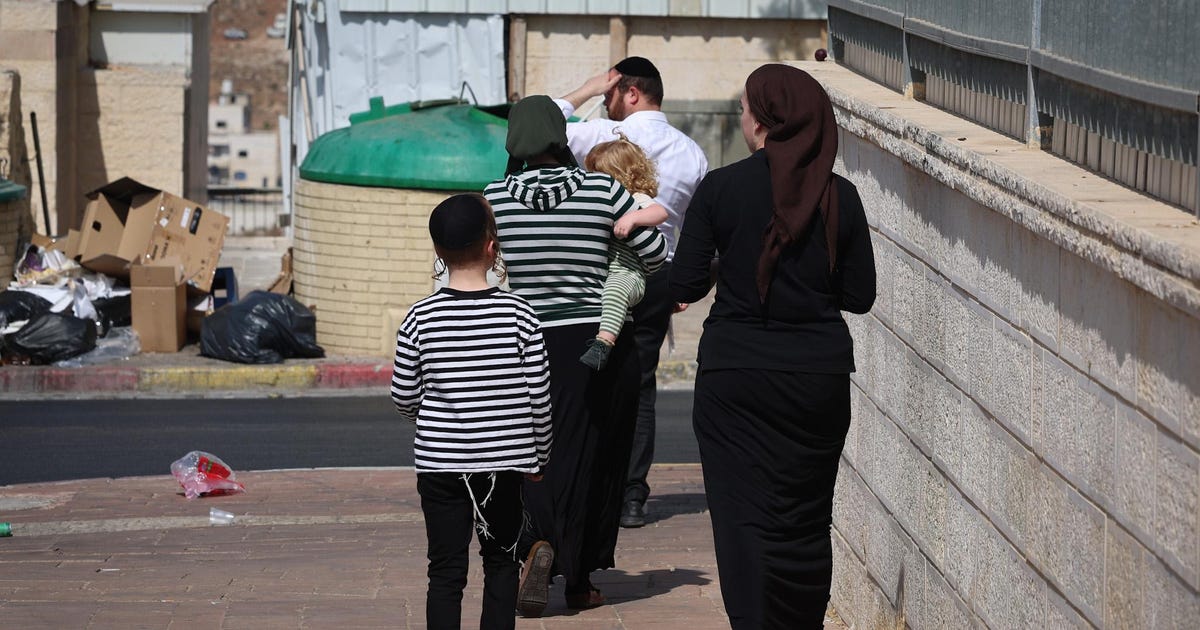
Eleven Israeli infants at a daycare center in the West Bank settlement of Beitar Illit were treated Tuesday after showing symptoms of suspected food poisoning, police and emergency services said.
Police said the symptoms followed exposure to food, after firefighters and rescue personnel ruled out the presence of hazardous substances at the scene. The daycare center was closed and the incident was reported to the Health Ministry.
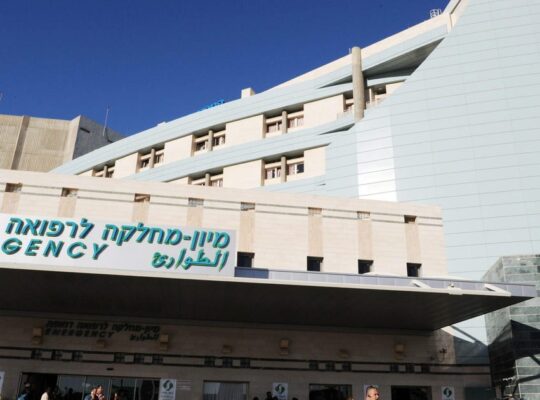
According to Magen David Adom, five infants were taken to Hadassah Ein Kerem Hospital in Jerusalem. The hospital said one was in moderate condition, while the other four were undergoing further examinations.
The infants arrived with “flushed faces and showing signs of distress,” the hospital said.
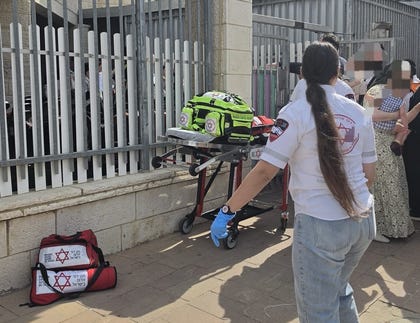
Four women who accompanied the infants were also being treated at the hospital, all in mild condition.
In January, two infants died at a private, unlicensed daycare in an ultra-Orthodox neighborhood in Jerusalem. Another 53 infants were evacuated from the building, many suffering from coughing.
Medical examinations indicated that the two infants may have suffered from heatstroke. Emergency responders said they had been inside a stroller in a closed room heated by an air conditioner running at full power. The infants were sweating and had red spots on their skin, symptoms that can indicate heatstroke.
Initial emergency service reports said the infants had been harmed by toxic fumes, but firefighters later ruled out the presence of hazardous substances or toxic gas.
“The findings are that there are no findings,” Prof. Yaniv Sherer, director of Hadassah Ein Kerem Hospital, said at the time. “We have not located or isolated any material in the infants’ blood that explains what happened.”
Sherer said heat or overcrowding may have contributed, but that the hospital could not determine the cause.