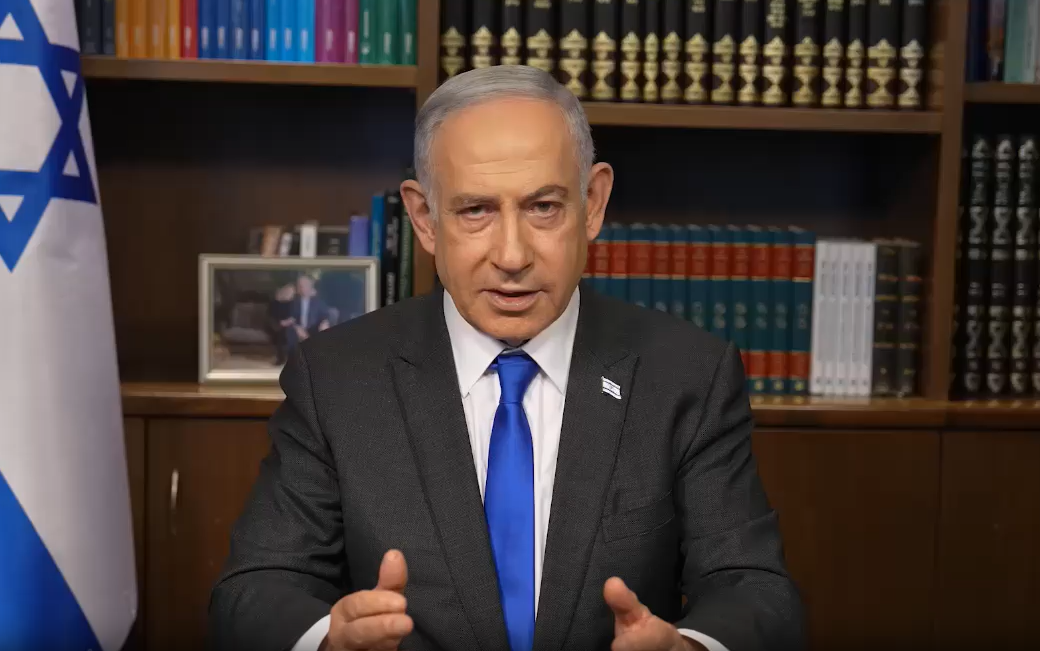
Israel’s political system was thrown into turmoil Wednesday after coalition party leaders officially filed a motion to dissolve the Knesset, potentially paving the way for new national elections and putting the future of Prime Minister Benjamin Netanyahu in serious jeopardy.
Under the proposal, the date of the election, which had previously been set for October 27, will now be determined during upcoming hearings by the Knesset Committee. Major disagreements have already emerged among ultra Orthodox coalition partners over when Israelis should head to the polls.
The ultra Orthodox Degel Hatorah party is reportedly pushing for elections to take place on September 1, while its rival Shas party prefers September 15, which falls during the Jewish High Holiday season. Shas leaders reportedly believe holding elections closer to the holidays could boost turnout among more traditional and religious voters.

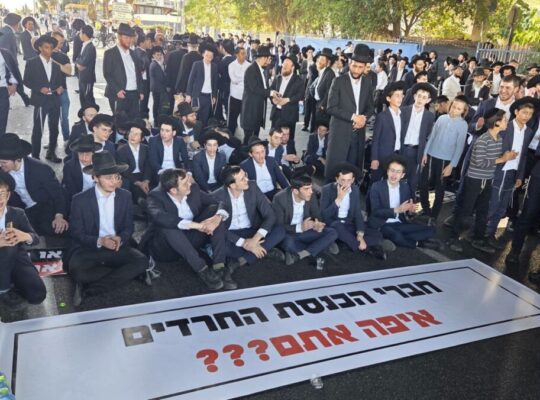
Earlier Wednesday, Degel Hatorah spiritual leader Rabbi Dov Lando instructed party members to move quickly toward dissolving the Knesset after Netanyahu informed ultra Orthodox factions that a controversial draft exemption law would not pass before elections.
“We no longer have any trust in Netanyahu,” Lando said in a statement. “From this point forward, we will do only what is best for Haredi Judaism and the yeshiva world. We must act to dissolve the Knesset as soon as possible. The concept of a right wing bloc including the Haredim no longer exists as far as we are concerned.”
The crisis deepened after the coalition abruptly removed all of its proposed bills from the Knesset agenda ahead of preliminary readings. Opposition leaders mocked the move, claiming it exposed the coalition’s inability to maintain a functioning parliamentary majority.
“The crumbling coalition has no majority to pass its legislation,” opposition faction leaders said in a joint statement.
Recent Israeli polls suggest opposition parties could potentially secure a Knesset majority if elections are held soon. However, political analysts note that internal divisions within the anti Netanyahu bloc may still prevent them from forming a stable government.
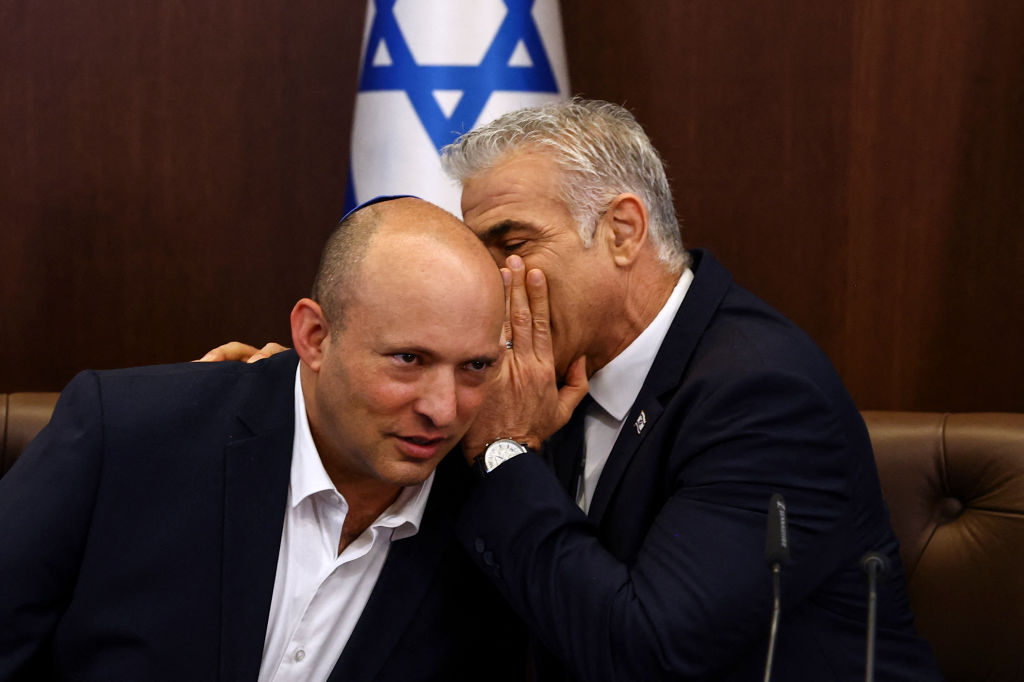
Several opposition figures, including former Prime Minister Naftali Bennett, have reportedly ruled out cooperating with Arab parties, making it difficult for the bloc to reach the critical 61 seat majority needed to govern.
The unfolding political chaos now raises growing questions across Israel about whether Netanyahu’s long political reign could finally be nearing its end.
Stay informed with the latest Jewish news, real-time Jewish breaking news, and in-depth Israel news coverage from our newsroom. For continuing updates, expert perspectives, and trusted reporting, visit our main news hub here.
Israel and the Middle East –
Jewish Politics –
Jewish Culture and Lifestyle –
Videos –
Jewish World
Source link