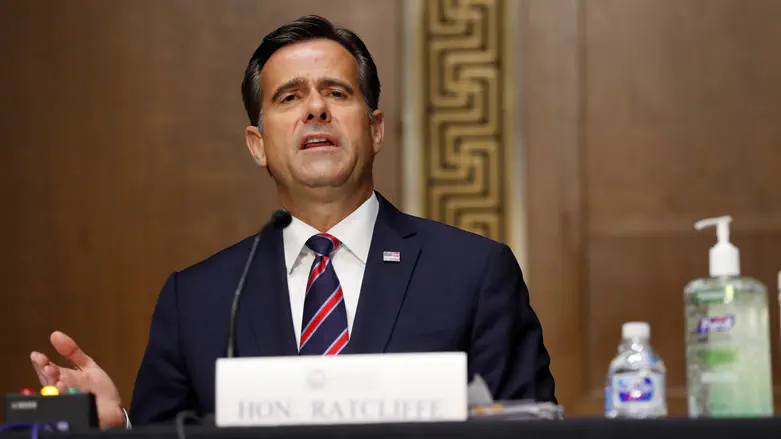
US intelligence agencies have raised significant doubts regarding Iran’s genuine willingness to surrender the nuclear concessions demanded by Washington, according to briefings delivered by CIA Director John Ratcliffe to President Donald Trump and top aides, Axios reported on Monday.
Three sources tracking these internal high-level deliberations disclosed that intercepted communications reveal a stark disconnect: Iranian officials are discussing the framework among themselves in a manner entirely inconsistent with what they are telling international mediators and US negotiators.
This intelligence has fueled a sharp ideological rift within the president’s inner circle, according to the Axios report. Ratcliffe, alongside Secretary of State Marco Rubio and Secretary of War Pete Hegseth, has emerged as a prominent internal skeptic, questioning the viability of the pact.
Conversely, Vice President JD Vance, together with special envoys Steve Witkoff and Jared Kushner, has aggressively championed the framework.
“The intelligence reflects that the Iranian intentions are not in line with their commitments under the deal,” one source told Axios.
Addressing this internal friction, a White House representative emphasized the president’s absolute authority over the unfolding strategy.
“President Trump listens to all opinions on any given issue – but everyone understands he is the final decision-maker,” the official stated to Axios.
The administration spokesperson adamantly defended the preliminary text, asserting that the blueprint successfully aligns with Washington’s baseline demands.
“This MOU meets all of the redlines that the administration has long articulated by ensuring that Iran can never possess a nuclear weapon, they cannot keep their highly enriched uranium, and they cannot hold the world’s energy supply hostage,” the official said, adding that Trump would only agree to a “good” final agreement.
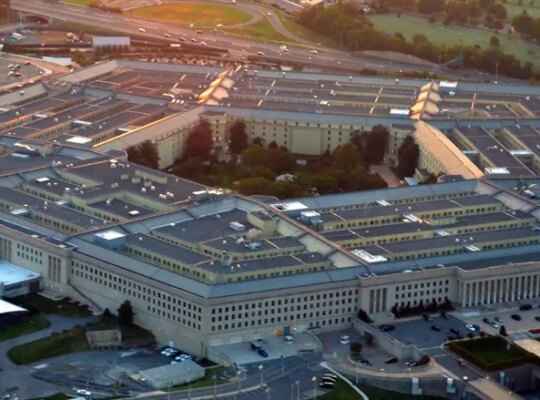
The State Department and the CIA declined to offer public comments on the matter, while the Pentagon issued no response.
The core dispute centers on the fact that the nuclear mandates within the newly signed memorandum are entirely provisional, contingent upon the completion of a highly complex, secondary nuclear accord over a 60-day window. The administration’s pro-deal faction – Vance, Witkoff, and Kushner – is scheduled to fly out this Friday to meet with Iranian Foreign Minister Abbas Araghchi, Parliamentary Speaker Mohammad-Bagher Ghalibaf, and mediators from Pakistan and Qatar to navigate this next phase.
Critics of the strategy contend that because the full 14-point text remains hidden from the public, Iran stands to reap immediate structural advantages without ever complying with America’s ultimate objectives.
According to sources familiar with the language of the draft, the text mandates that the United States dismantle its naval blockade within 30 days, while “Iran will make arrangements, using its best efforts, for the safe passage of commercial vessels with no charge for 60 days,” Tehran will subsequently launch a dialogue with Oman and other Gulf neighbors to outline the future administration of the waterway “in line with applicable international law and sovereign rights” of regional countries.
Iranian state media outlets have already hinted at implementing transit tolls once that initial 60-day window expires.
Source link