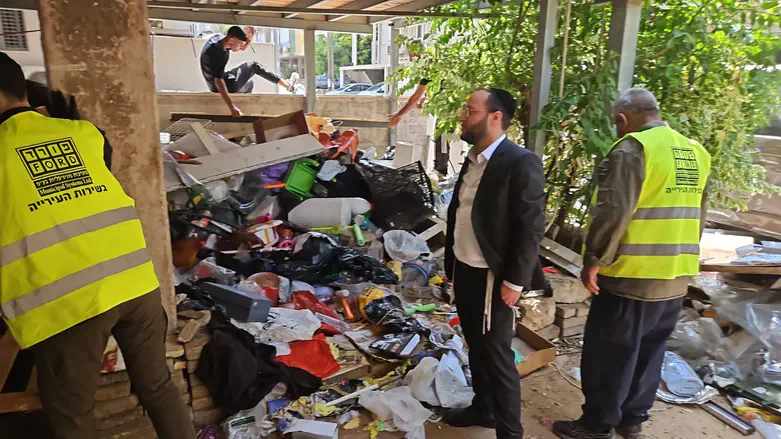
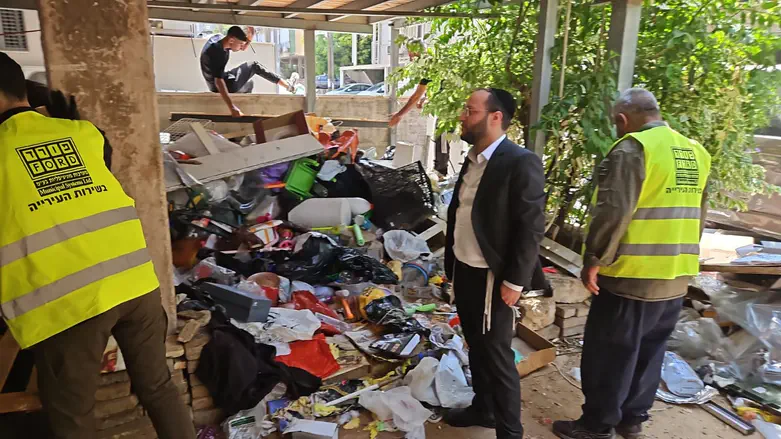
After months in which piles of garbage, rats and sewage hazards became part of daily life on the streets of Bnei Brak, the municipality is seeking to demonstrate a change in direction.
A new sanitation system has begun operating, with a significant increase in cleaning vehicles, camera surveillance, and monitoring of contractors’ work.
However, after a prolonged period of neglect, the municipality’s announcements are being met with skepticism. The real test will be the condition of the streets in the coming months.
Bnei Brak’s sanitation crisis is not new. For months, residents have faced garbage piling up in the streets, bins not emptied on time, rats and sewage hazards. Repeated complaints and criticism of the municipality’s performance have yet to produce a lasting solution.
Now, after conditions deteriorated and became a focus of public criticism, the municipality is trying to restore order to sanitation services while tightening oversight of contractors.
As part of the initiative, Yossi Fortal has been appointed project coordinator to oversee cleaning contractors’ operations. Under the municipal plan, every cleaning vehicle operating in the city must now be equipped with GPS and cameras documenting its activities, including the emptying of garbage bins.
The municipality reports that 65 cameras operate daily to track work routes and identify streets and areas that have not been cleaned as required.
According to municipal figures, 15 street-sweeping and washing vehicles now operate every morning, alongside 20 additional cleaning vehicles, each staffed by a driver and two workers. In addition, crews collecting yard waste and bulky refuse are expected to complete 30 collection rounds on a regular day.
Some cleaning vehicles will continue operating in the afternoon, unlike the previous arrangement, under which most work ended in the morning. The municipality also reports increased garbage collection on Thursdays and after Shabbat, which is expected to add thousands of bin collections each week.
Municipal leaders also acknowledge the severity of the situation in Bnei Brak. Acting Mayor Menachem Shapira said during discussions preceding the initiative, “We reached a point where we could no longer let this continue. Conditions on the streets were intolerable, and no city would have accepted this in silence.”
Source link